Engineering, investigation and problem-solving.
My work combines investigation, practical problem-solving and the delivery of engineering improvements. That might involve understanding the cause of a complex flood event, exploring how new technology could support an investigation, reconsidering the materials or methods proposed, or identifying a relatively small change that helps a system work more safely, efficiently or effectively.
I have never been the kind of engineer who is satisfied simply accepting that something must be done in the way it has always been done.
I like to take another look. Is there a better way of approaching the problem? Could a different material, technology or resource improve the outcome? Is the proposed solution proportionate, efficient and suited to the way it will actually be used?
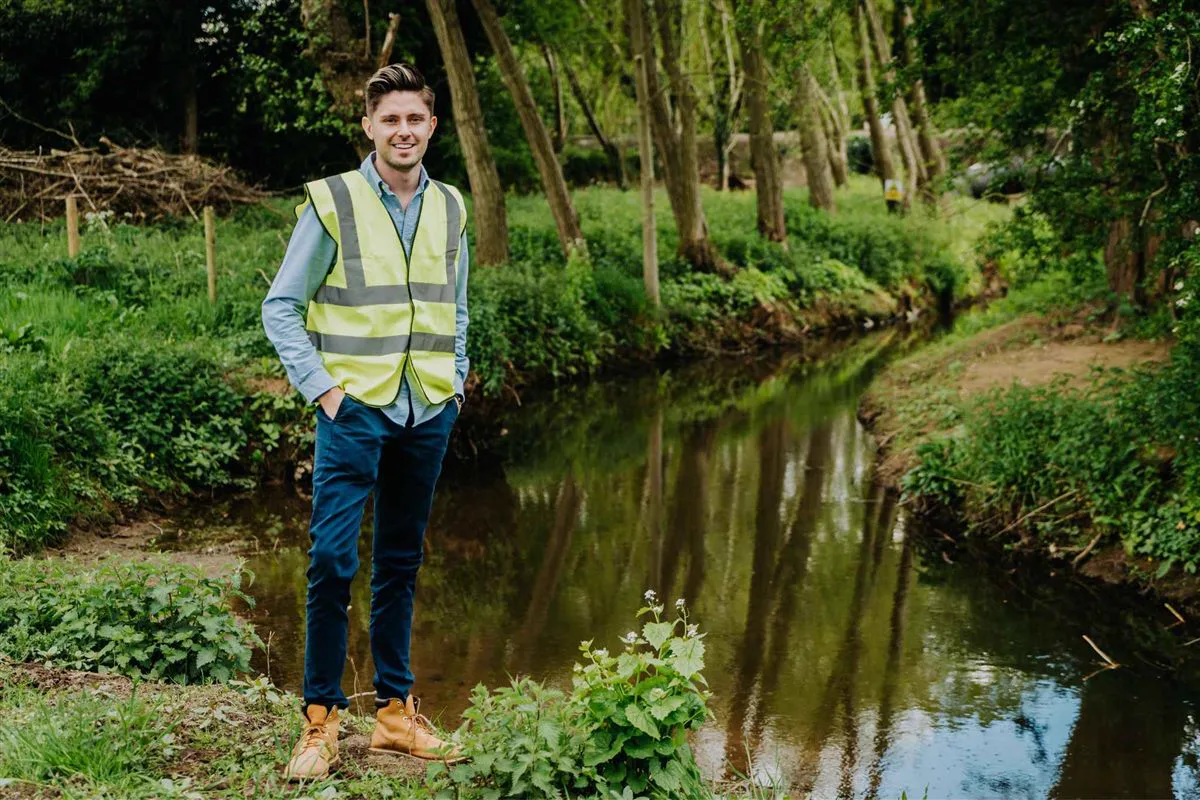
Forensic engineering
I am most interested in why things happen, how they happen and what can be engineered to solve the problem.
Why did this property flood when the mapping suggested otherwise? Why did the drainage system surcharge? Why has a pump failed to deliver the expected flow? Why does the constructed arrangement differ from the drawings? What changed between the original design and the way the site operates today?
I describe this as forensic engineering: investigating a problem systematically, testing assumptions and following the evidence before deciding what should happen next.
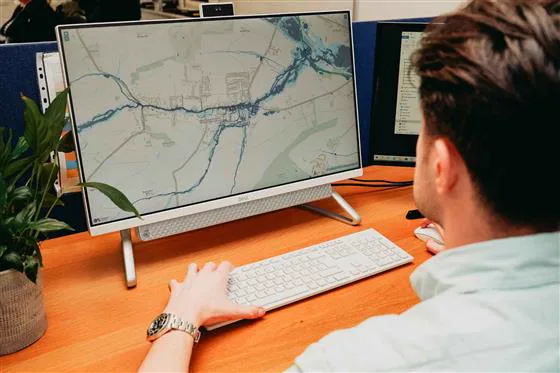
Maps, models, calculations and drawings are essential engineering tools, but they are representations of the real world. They are based on the information available, assumptions made and conditions considered at a particular point in time. The engineer's role is to understand how closely those representations match the place, system or event being investigated.
Does the model match the site? Does the map match what happened? If it does not, why not? This approach is particularly important when the available information conflicts, when a failure cannot be explained easily or when the observed outcome differs from what was expected.
The work, up close.
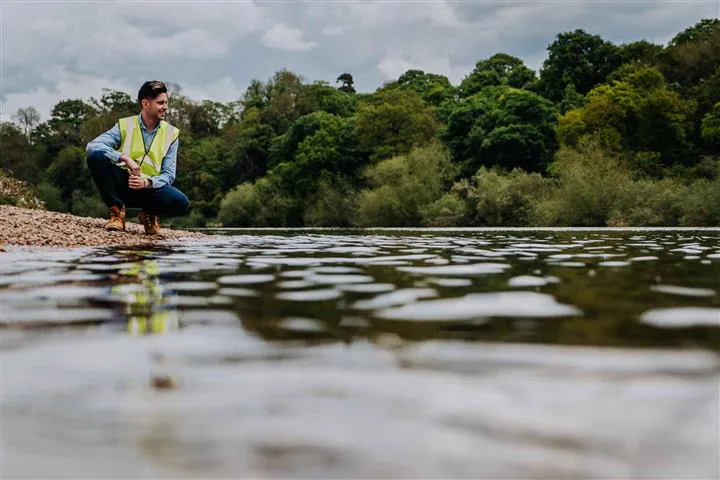
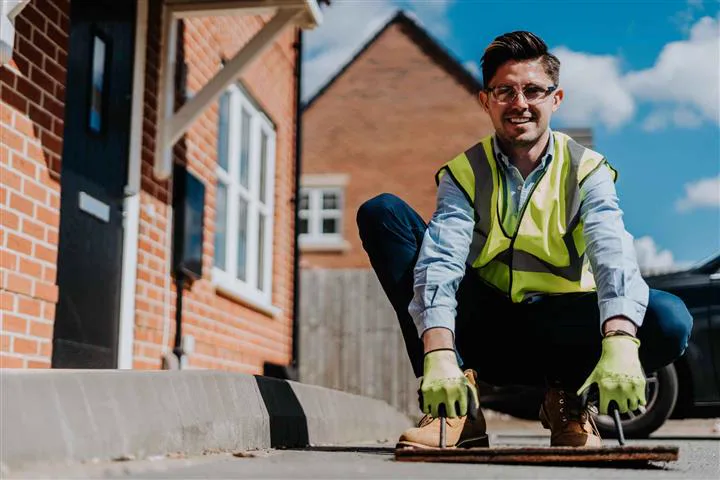
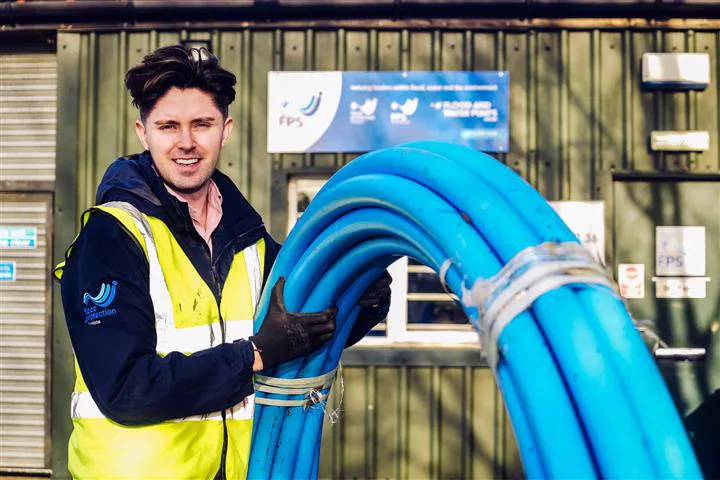
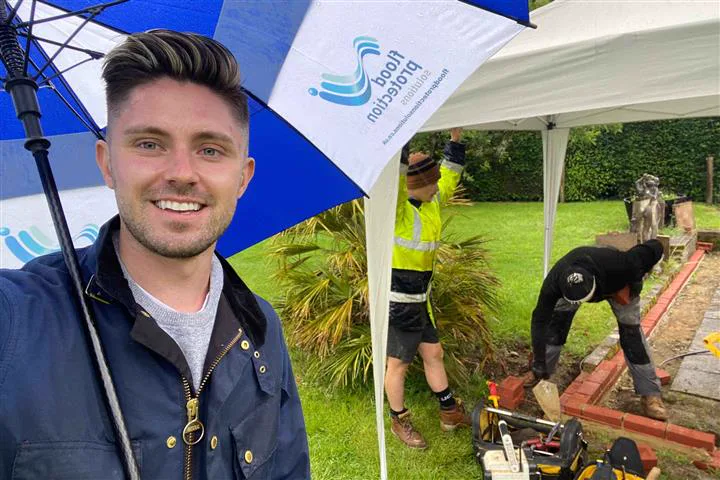
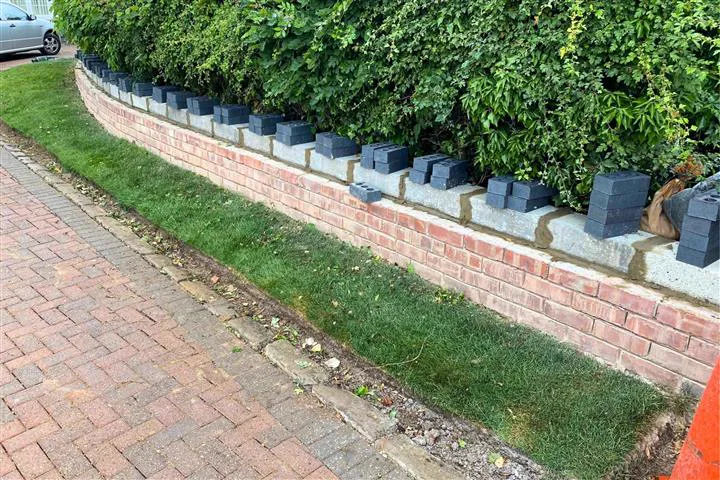
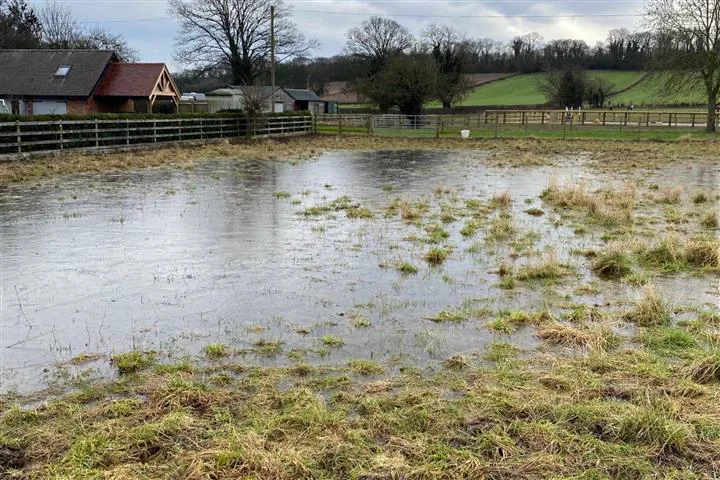
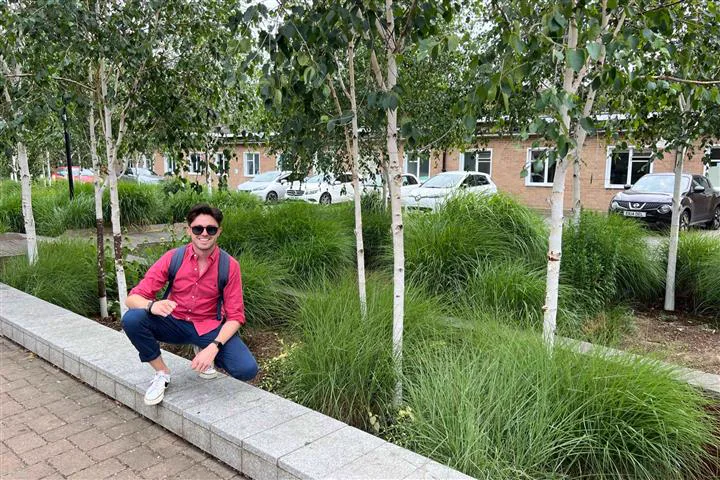
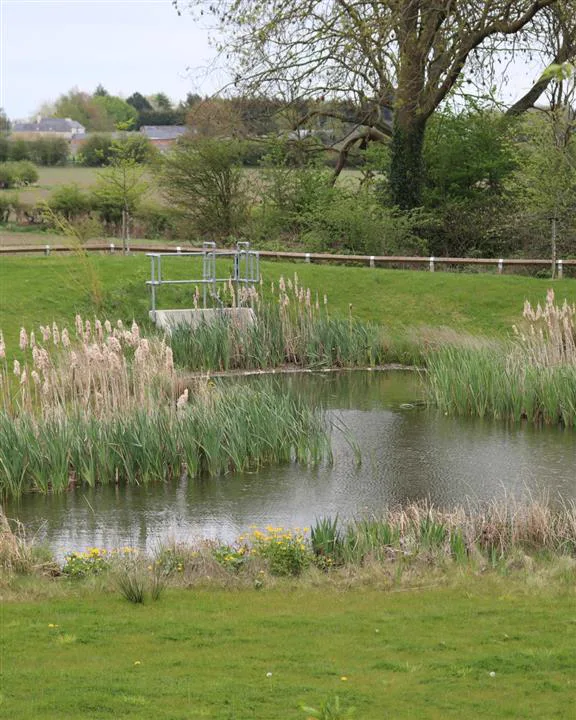
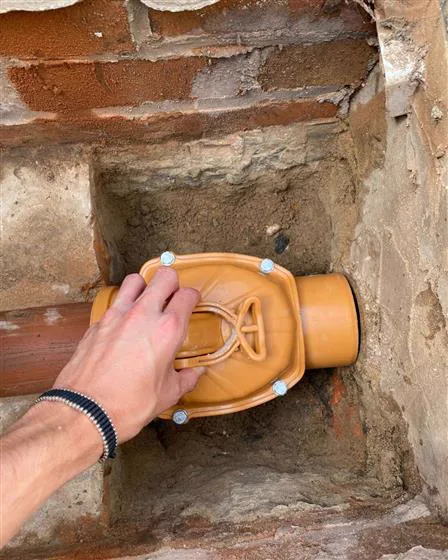
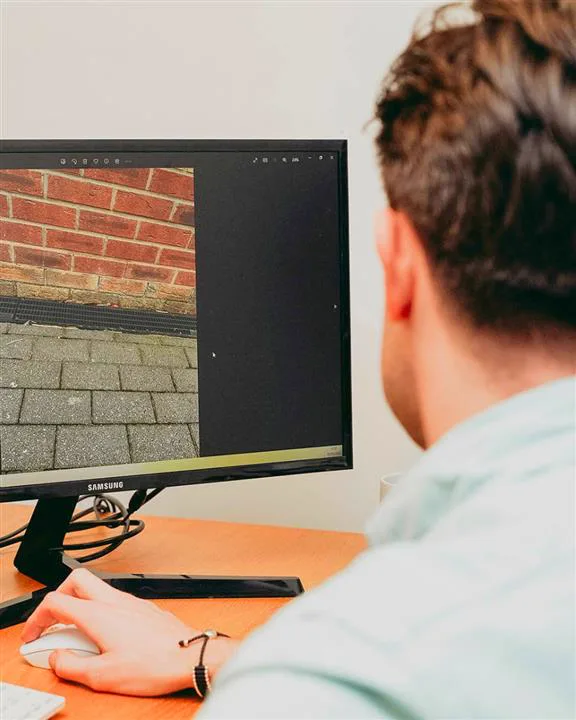
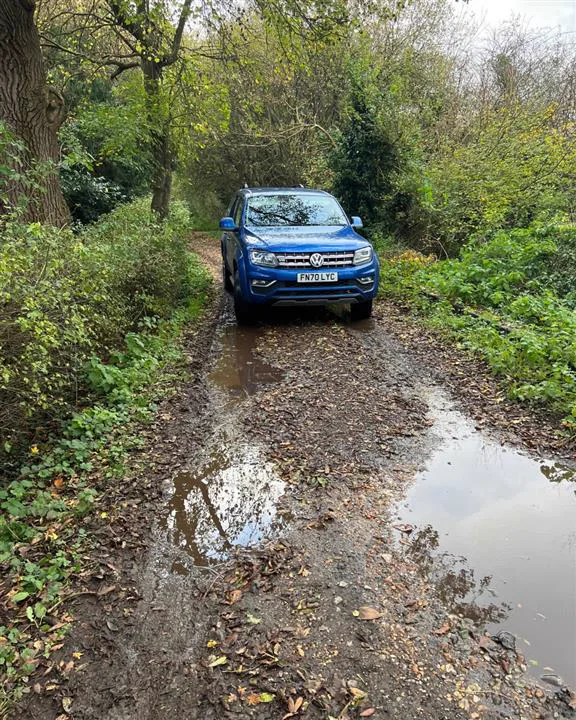
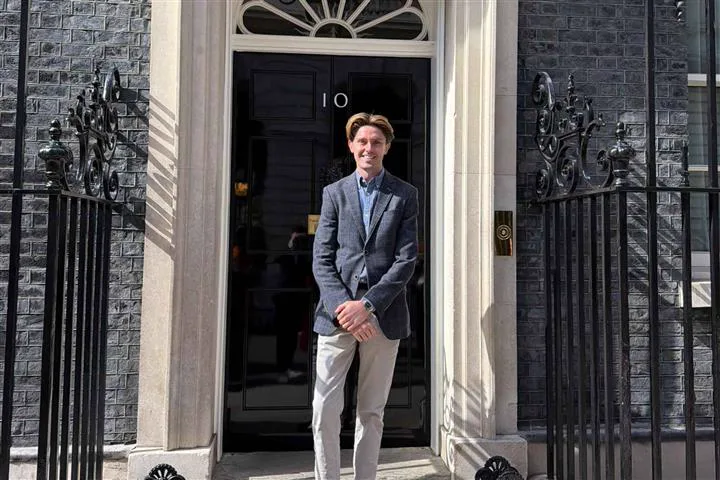
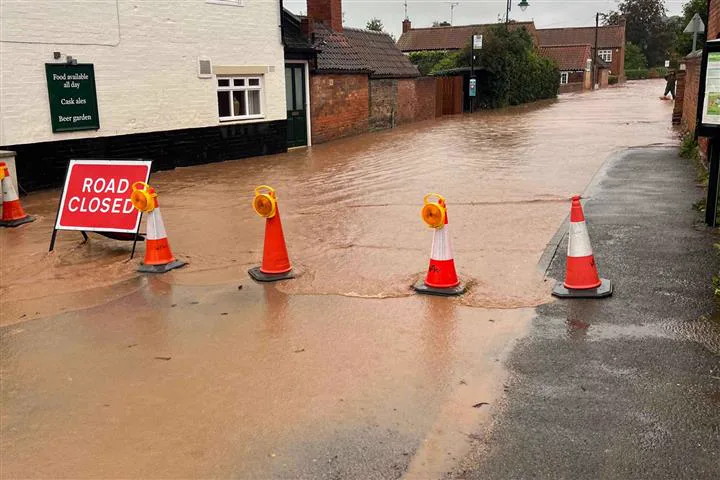
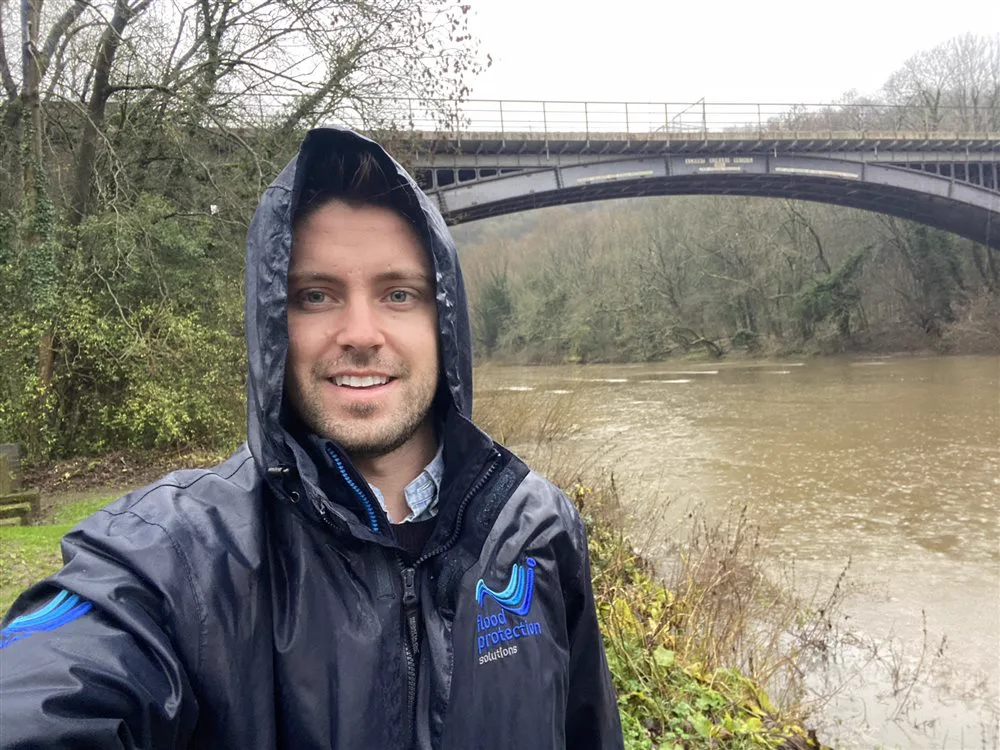
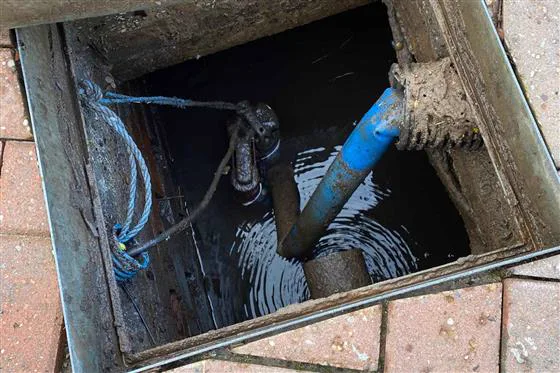
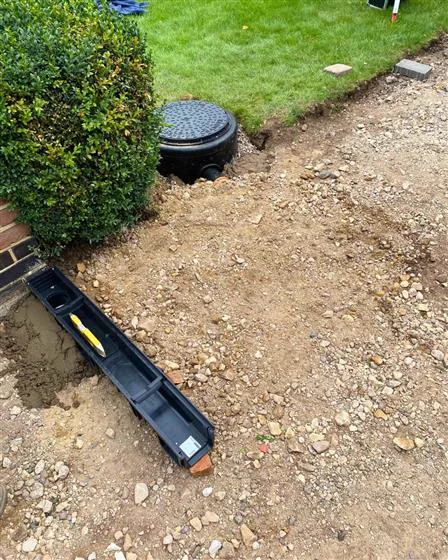
The engineering process. Site inspections, drainage infrastructure, flood routes, contractor discussions, pump and valve arrangements, drawings under review and completed projects.
Starting with the site
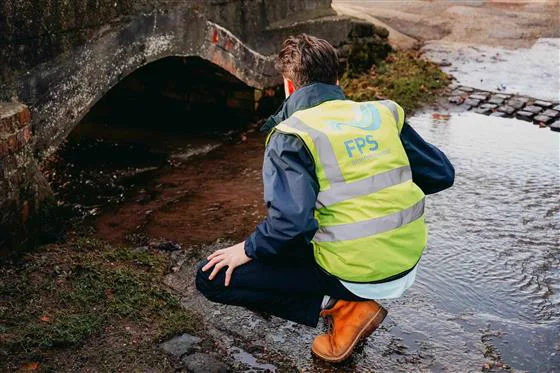
I enjoy being on site.
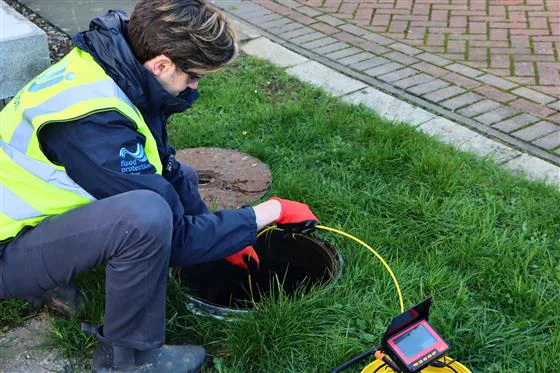
A site visit can reveal details that are easily missed in a report: a subtle change in level, an unexpected drainage connection, evidence of historic flooding, a modified outfall or infrastructure that is no longer arranged as the drawings suggest.
Depending on the investigation, I may review:
- levels and likely flow routes;
- manholes, chambers, outfalls and drainage connections;
- flood marks, photographs and eyewitness accounts;
- mapping, models, sewer records and historic plans;
- previous alterations and maintenance;
- the way a system is actually operated;
- the relationship between individual components and the wider arrangement.
The objective is not simply to collect more information. It is to decide which evidence is reliable, where the evidence conflicts and what that conflict tells us. Sometimes the site confirms the model. Sometimes it exposes an assumption that needs to be reconsidered. Both outcomes are useful, provided the investigation begins with an open mind.
Understanding before intervening
Engineering problems are often presented together with a proposed solution. Someone may already believe that a larger pump is required, a flood barrier should be installed or a non-return valve will resolve a drainage problem. Those measures may be appropriate, but selecting an intervention before understanding the mechanism can lead to unnecessary expense or work that does not address the actual cause.
A non-return valve, for example, is not automatically a solution. It must be installed in the correct location, protect the correct part of the system, remain accessible for inspection and work with the behaviour of the wider drainage arrangement. The same principle applies to pumps, flood resilience measures, drainage systems and larger civil engineering works.
I prefer to establish:
- What is happening?
- Why is it happening?
- What outcome is required?
- What is the simplest proportionate way of achieving it?
- How will the design be operated, maintained and reviewed?
That discipline helps distinguish between treating a symptom and resolving the underlying problem.
Practical engineering and continuous improvement
I enjoy working out whether something can be done better. That might mean making a process more efficient, selecting a component that is better suited to its intended use or questioning whether an established way of working still produces the best result.
Improvement does not always require a major redesign. Sometimes a relatively small change, such as fitting the correct non-return valve, removing an unnecessary restriction or matching a pump more accurately to its duty, can make a system considerably more effective.
Small components can have a significant influence when they form part of a wider system. A pump may appear suitable when considered only by its maximum flow rate, but perform very differently once hose diameter, length, elevation, fittings and the intended outlet are taken into account.
I am always asking whether something can be made safer, simpler, more efficient or better suited to the way it will actually be used. That curiosity also means looking beyond the immediate engineering sector. I keep abreast of developments in technology, artificial intelligence, product design and business, and consider how they might improve the way engineering problems are investigated, communicated and resolved.
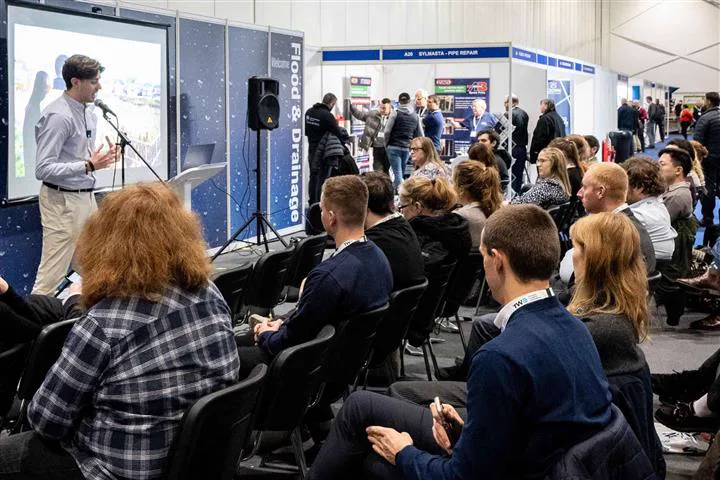
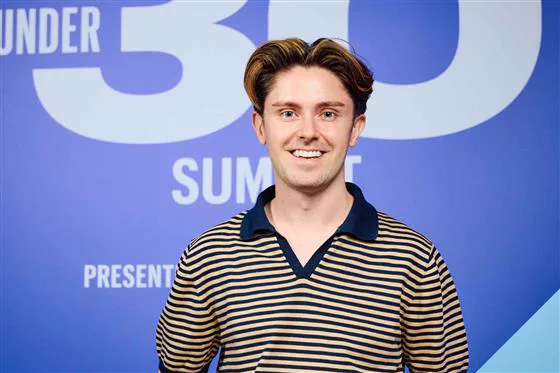
This includes attending technology and innovation conferences, including annual Forbes events in the United States. I am interested in innovation where it produces a genuine improvement, rather than adopting technology simply because it is new. The question remains the same: does it help us understand the problem better, work more efficiently or deliver a better outcome?
Engineering judgement
A component cannot be assessed properly without understanding the system around it. With pumps, that means looking beyond the headline maximum flow and head. It means considering the operating point, static lift, friction losses, power supply, water quality, solids passage, control method, hose and pipe dimensions, fittings, intended use and maintenance.
With flood and drainage systems, it means understanding how water arrives, where it can travel, how the infrastructure responds and what happens when one element is overwhelmed or unavailable.
This systems-based thinking connects much of my work. Whether I am reviewing a flood event, a drainage arrangement or a pump installation, I am interested in how all the individual parts interact. The best solution is rarely the component with the largest specification. It is the arrangement that is suitable for the duty, understood by the people operating it and proportionate to the risk.
Engineering, resilience and the built environment
My principal technical work sits across flood risk, drainage and resilience, but my interests extend more broadly across civil engineering, the built environment and the ways in which advancing technology can improve how we investigate, design, deliver and manage places and infrastructure.
Flooding naturally lends itself to forensic engineering because the visible event is often only the final part of a much wider process. Water may have travelled from outside the mapped area, entered through drainage, followed a route altered by development or overwhelmed a system in a way that was not represented by the available information.
The same investigative approach applies more widely across the built environment. Whether considering drainage infrastructure, construction, property resilience, pumping systems or the performance of an existing asset, I am interested in how design intent, physical conditions, human decisions and ongoing maintenance combine to produce the outcome seen on site.
I also keep abreast of advances in technology, including artificial intelligence, digital modelling, monitoring and data analysis, and consider how these can support better engineering judgement. Technology should strengthen the investigation and decision-making process, rather than replace the need to understand the site, test assumptions and apply professional judgement.
I have worked with individual homeowners, developers, insurers, local authorities and organisations responsible for larger property portfolios. The scale changes, but the central task remains the same: understand the mechanism, evaluate the evidence and help the client make a reasoned decision.
Having experienced flooding first-hand, I also understand that engineering questions are rarely purely technical. Behind an investigation may be a home purchase, an insurance concern, a planning decision, an investment, the management of an existing asset or somebody trying to prevent a repeat of a distressing event. That makes clarity and professional judgement as important as technical analysis.
Drainage, SuDS and placemaking
Water should be considered as part of a place rather than simply treated as something to remove. I am interested in drainage systems that respond to the site, work with levels and landscape and contribute to resilience, biodiversity and the quality of development.
The same investigative mindset still applies. Before designing an intervention, we need to understand the existing catchment, ground conditions, outfalls, constraints, exceedance routes and the way the site will be used.
Good SuDS and drainage design should be technically sound, maintainable and integrated into the wider place. It should not exist only as a calculation or as a series of features inserted after the wider layout has already been fixed.
Qualifications, chartership and fellowship
BEng (Hons) · FCIWEM · C.WEM · MIET
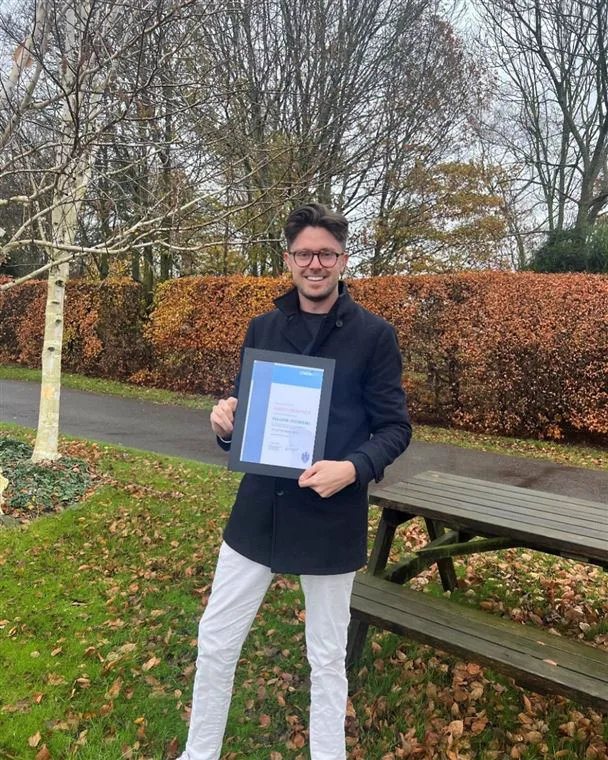
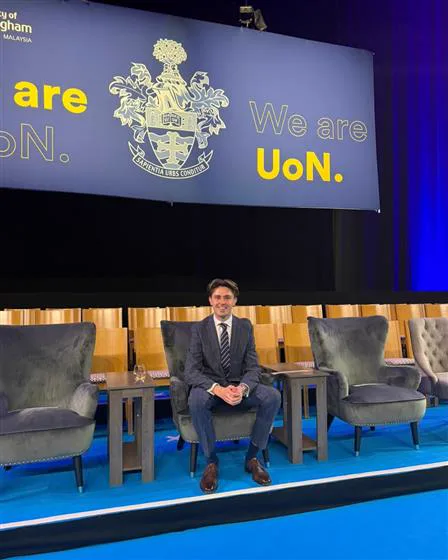
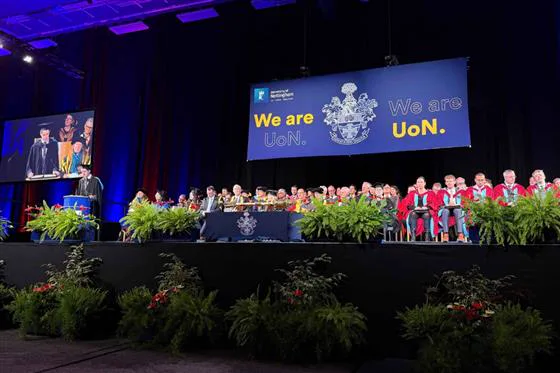
I hold a Civil Engineering degree from the University of Nottingham and am a Chartered Water and Environmental Manager and Fellow of CIWEM.
Professional qualifications provide independent recognition of competence and require members to uphold recognised standards of conduct and development. The letters themselves matter less to me than what they represent: professional responsibility, accountable judgement and a commitment to maintaining competence.
My chartership and fellowship also reflect a broader involvement in the water and environmental sector, including technical practice, business leadership, public communication and the development of greater resilience to flooding.
Supporting engineering and future generations
Engineering is not only about solving the problem in front of us. It also depends on supporting the people who will investigate, design and deliver the next generation of projects.
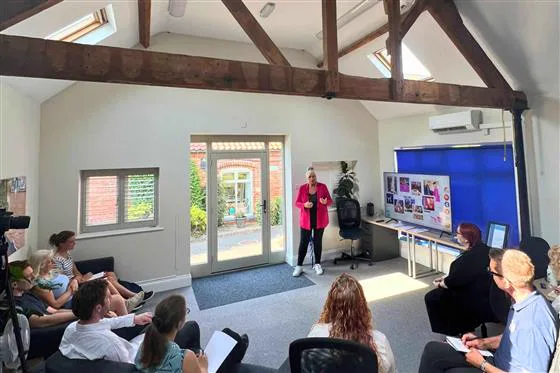
I try to contribute to that in several ways, from supporting Arkwright Engineering Scholarships and revisiting schools, to engaging with professional institutions, sharing experience and helping younger people understand the breadth of careers available across engineering and the built environment.
Within the FPS Group, I also place considerable emphasis on developing the team. That includes technical training, mentoring, continuing professional development and giving colleagues opportunities to take greater responsibility as their experience grows.
Supporting engineering can take many forms. It may mean encouraging a student who has not yet considered engineering, helping an early-career professional build confidence, contributing to an industry discussion or making technical subjects clearer and more accessible to the public.
I believe the profession is strongest when knowledge is shared, opportunities are widened and experienced engineers remain connected to those entering the industry.
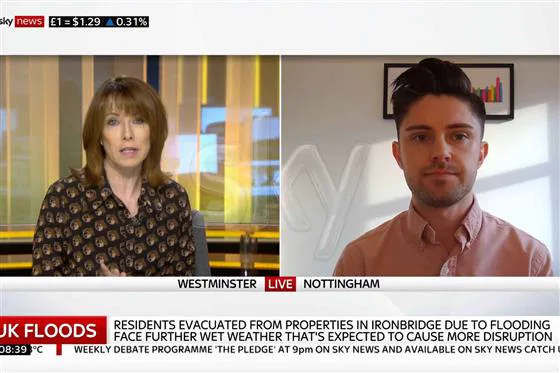
My wider work in this area includes education, public communication, professional engagement and encouraging greater understanding of flooding, resilience and the role of engineering in everyday life.
Discuss a project or challenge.
Flood risk, drainage, forensic investigation or resilience. If you have a project you would like to explore, I would be pleased to discuss how I can help.
Contact Simon